7. Parsley
Often overlooked, parsley was one of Walker’s favorite additions to juices and salads. He appreciated its fresh flavor and believed it supported overall balance when consumed regularly.
Many people today include parsley for its light, refreshing quality and its role in traditional diets around the world.
6. Spinach
Spinach was a cornerstone green in Walker’s routine. He favored it raw or lightly blended, valuing its mineral content and versatility.
Leafy greens like spinach remain a staple in many modern eating patterns focused on long-term wellness.
5. Carrots
Carrots were one of Walker’s most frequently used juice ingredients. Naturally sweet and easy to combine with other vegetables, they became a daily habit rather than an occasional snack.
Their vibrant color and simple taste made them accessible and consistent.
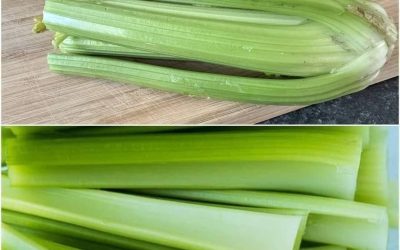
4. Celery
Celery juice played a regular role in Walker’s mornings. He appreciated its lightness and hydration, often pairing it with other vegetables.
Many people today still enjoy celery for its refreshing taste and simplicity.
3. Apples
Walker believed apples were one of nature’s most balanced foods. He often ate them whole, enjoying their texture and natural sweetness.
Apples remain a symbol of everyday nourishment—easy to find, easy to eat, and easy to enjoy.
2. Lettuce
Lettuce formed the base of many of Walker’s meals. Crisp, light, and hydrating, it allowed him to consume large portions without feeling heavy.
He favored simple salads over complex dishes, focusing on freshness rather than variety.
1. Beets
Beets were Walker’s most prized food. He frequently included them in juices and meals, appreciating their earthy flavor and richness.
To him, beets represented strength, grounding, and renewal—qualities he believed supported long-term vitality.
Why These Foods Worked Together
Walker didn’t believe in single “miracle” foods. He emphasized combination and consistency. Together, these foods offered:
Continued on next page: