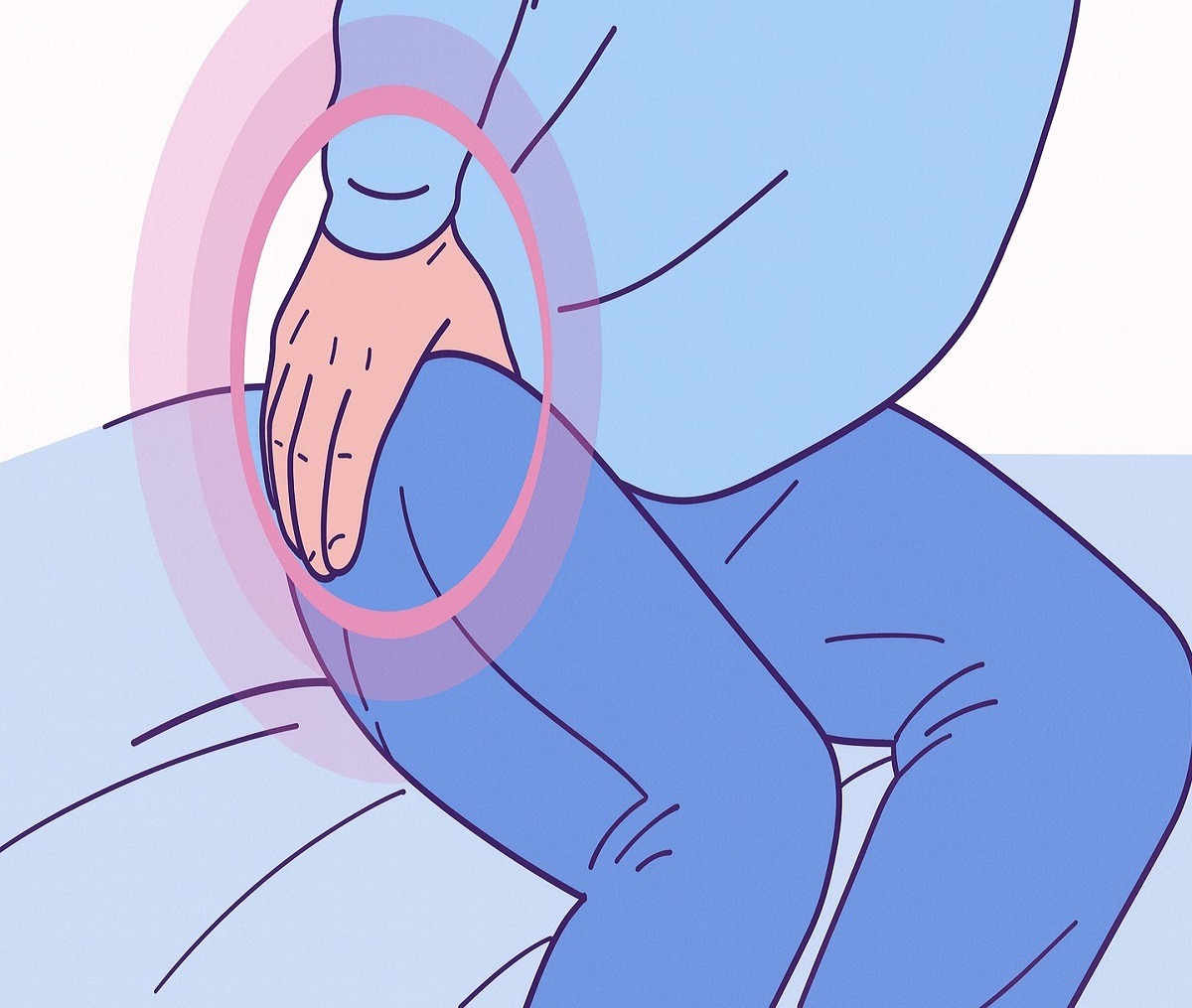
❗ Severe pain after an injury
Could indicate fracture or dislocation
❗ Inability to bear weight
Needs immediate assessment
❗ Swelling, warmth, or redness
Possible infection or inflammatory arthritis
❗ Fever with hip pain
Rule out septic arthritis or other infections
❗ Numbness or weakness in the leg
May signal nerve compression (e.g., sciatica)
❗ Pain that wakes you at night
Persistent pain could indicate serious underlying issue
See a doctor if pain lasts more than 1–2 weeks despite self-care.
✅ Lifestyle & Prevention Tips
You can’t change genetics — but you can reduce strain on your hips.
✅ Maintain a healthy weight
Reduces pressure on joints — even small losses help
✅ Stay active with low-impact exercise
Walking, swimming, cycling support joint health
✅ Strengthen core and glutes
Improves stability and reduces stress on the hip
✅ Stretch regularly
Keeps muscles flexible and prevents imbalances
✅ Wear supportive shoes
Cushions impact during walking or standing
Avoid sitting for long periods — get up and move every 30 minutes.
❌ Debunking the Myths
❌ “Only old people get hip arthritis”
False — younger people get it too, especially with injuries
❌ “Cracking your hips means they’re damaged”
No — occasional popping is normal unless painful
❌ “Rest is best for hip pain”
Not always — gentle movement often helps more than complete rest
❌ “If X-ray looks bad, surgery is next”
No — many people have severe-looking X-rays but minimal symptoms
When to See a Doctor
Don’t wait if:
Pain interferes with sleep or daily activities
You limp or favor one leg
Home remedies don’t help after 1–2 weeks
Your doctor may recommend:
Continued on next page: