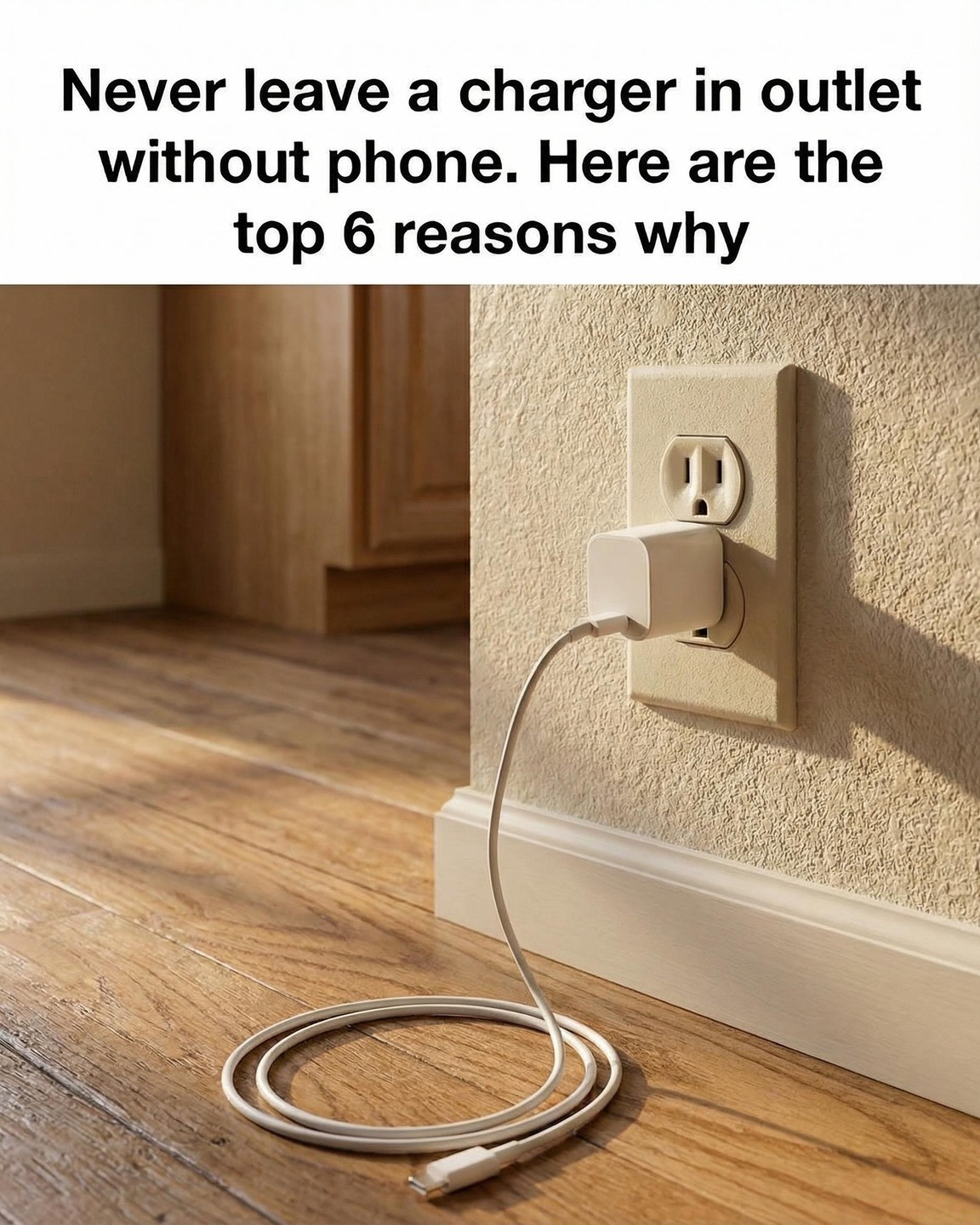
Safety is another important consideration. Chargers are designed to handle electricity, but constant exposure can lead to gradual wear. Over time, this may increase the chance of overheating, particularly with older, damaged, or low-quality chargers. Although most modern chargers include built-in safety features, unplugging them when not in use reduces unnecessary electrical flow and helps lower potential risks. It also protects chargers from unexpected power surges caused by electrical fluctuations or storms, which can damage both the charger and nearby devices.
Beyond safety and energy use, unplugging chargers supports long-term savings and sustainability. Reducing wasted electricity helps lower your environmental impact and supports more responsible energy use. On a practical level, chargers that aren’t constantly plugged in tend to last longer, meaning fewer replacements and less electronic waste over time. Simple habits—like unplugging chargers when they’re not needed, using certified accessories, and storing them properly—can make a noticeable difference, creating safer, more efficient spaces with minimal effort.