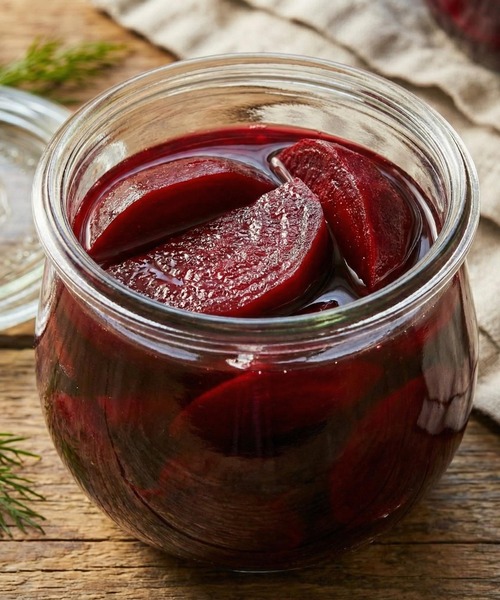
Even so, experts emphasize realistic expectations. Beets are nutritious, but they aren’t miracle cures or substitutes for medical treatment. Beet juice, for instance, can cause a quicker rise in blood sugar because it lacks the fiber found in whole beets. Individuals with certain health conditions, such as those prone to kidney stones, may need to moderate their intake. A harmless side effect—known as beeturia—can cause pink or red-tinted urine, which surprises some people but isn’t a health concern. For most individuals, beets fit naturally into a balanced diet and can be enjoyed roasted, steamed, blended, or grated into salads and soups.
The real benefit of beets comes from consistency. Over time, regular consumption may support stamina, digestion, and overall energy in ways that feel subtle but meaningful. Adding beets to your meals often leads to more whole-food choices overall, creating positive habits that support long-term wellness. They may not be the flashiest vegetable in the kitchen, but their steady, reliable contributions make them a worthy addition to any balanced lifestyle. In choosing foods like beets, you’re choosing nourishment that works patiently in the background—helping your body function at its best, one meal at a time.