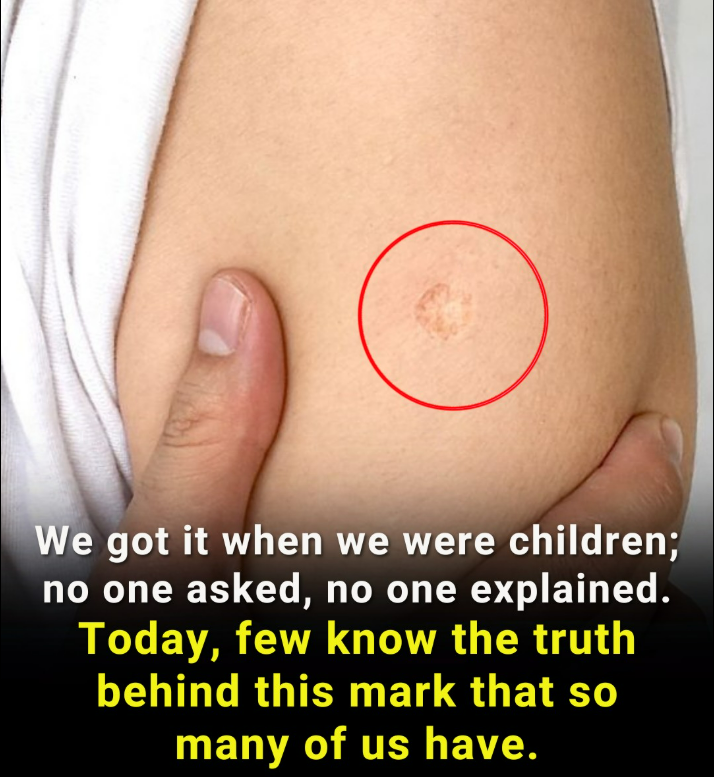
Nothing went wrong. The body did exactly what it was supposed to do.

For illustrative purposes only (iStockphoto)
Misconception 2: “Only people from poor or rural backgrounds have it”
This belief is often rooted in social prejudice. In some cultures, the scar has been unfairly associated with poverty, rural living, or “backward” healthcare systems. People with the scar may feel judged or labeled because of it.
The deeper truth: The BCG vaccine was introduced as part of national public health programs, not because families were poor—but because tuberculosis was widespread and dangerous.Buy vitamins and supplements
At different points in history, countries across Europe, Asia, Africa, and Latin America vaccinated entire generations of children, regardless of class, education, or income. Wealthy families, urban families, and government officials’ children received the same vaccine.
The presence of the scar reflects public health priorities of a specific era, not personal background. It says nothing about hygiene, intelligence, or social status.
Misconception 3: “If you don’t have the scar, you weren’t vaccinated”
People often compare arms with siblings or friends and assume the scar is definitive proof of vaccination. This leads to confusion and arguments, especially within families.
The deeper truth: Not everyone who receives the BCG vaccine develops a visible scar.
Scar formation depends on several factors:
Continued on next page: