Individual immune response
Skin type and healing patterns
Injection technique
Age at vaccination
Aftercare and environmental exposure
Some people heal with barely any mark at all. Others develop a clear scar that fades significantly over decades.
So:
No scar ≠ no vaccine
Scar ≠ stronger immunity
Medical records—not scars—are the only reliable confirmation.

For illustrative purposes only (iStockphoto)
Misconception 4: “The scar means your immune system is weak or damaged”
This misconception can cause real anxiety. Some people worry that the scar indicates a defect in their immune system or long-term vulnerability to illness.
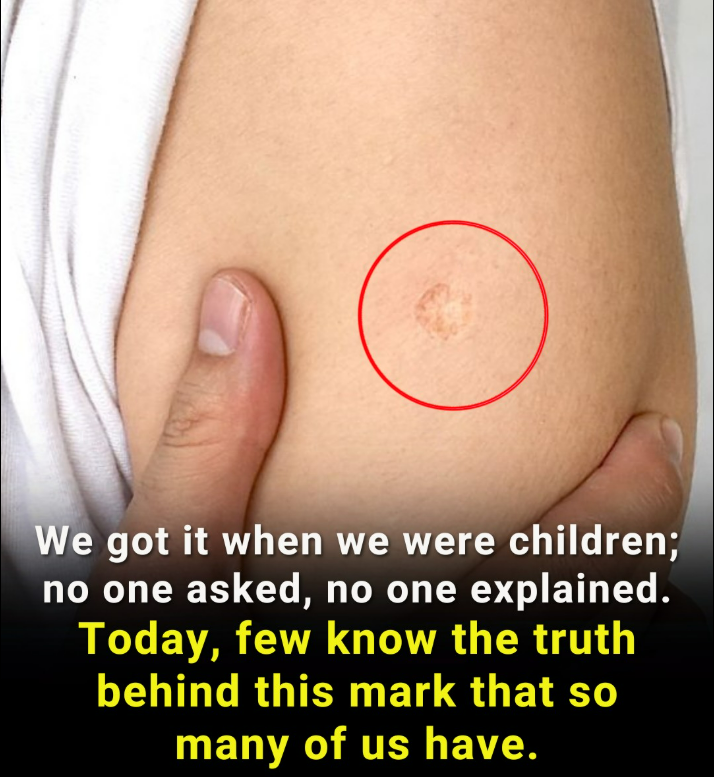
The deeper truth: The BCG scar is actually a sign of a normal and healthy immune response.
When the vaccine is introduced, the immune system recognizes the weakened bacteria and mounts a localized defense. That response may involve redness, swelling, and eventually a small lesion that heals into a scar.
In recent decades, researchers have even explored how early vaccines like BCG may help “train” the immune system to respond more effectively to other infections later in life.
The scar is not damage. It is evidence of immune activity—not weakness.
Misconception 5: “It’s dangerous or should be removed”
Because the scar is visible and sometimes textured, some people fear it might become harmful, grow over time, or need medical removal.
The deeper truth: The BCG scar is completely harmless.
Continued on next page: